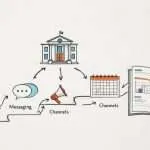
Navigating the Education Landscape: Where to Begin
Marketing to schools effectively requires a deep understanding of the education market. This $10 trillion global ecosystem is constantly evolving, creating both challenges and opportunities for businesses. Understanding the distinct characteristics of various educational segments—from K-12 to higher education, each with its own priorities and operational structures—is essential. Security is also a critical concern for schools. For more insights into this crucial aspect, read about deploying an effective security awareness training program in schools.
Understanding The Education Market Segments
A critical first step in marketing to schools is recognizing the diversity within the education sector. It's not a single entity, but a collection of distinct segments. This segmentation allows for more targeted and effective marketing approaches.
K-12 Schools: This segment often prioritizes solutions that enhance classroom learning and student outcomes. Budget cycles and purchasing decisions often involve various stakeholders, including teachers, principals, district administrators, and school boards.
Higher Education Institutions: Universities and colleges have different needs, focusing on research, student recruitment, and campus life enhancements. Decision-making can be more decentralized, with individual departments and faculty influencing choices.
Early Childhood Education: This growing segment focuses on foundational development in young children. Marketing often involves engaging parents and caregivers, emphasizing safety, nurturing environments, and developmental milestones.
Workforce Education: This is another growth area, catering to professional development and skills training. Businesses and individuals looking to upskill or reskill are the primary target audience.
The following infographic highlights key trends in school resource prioritization:
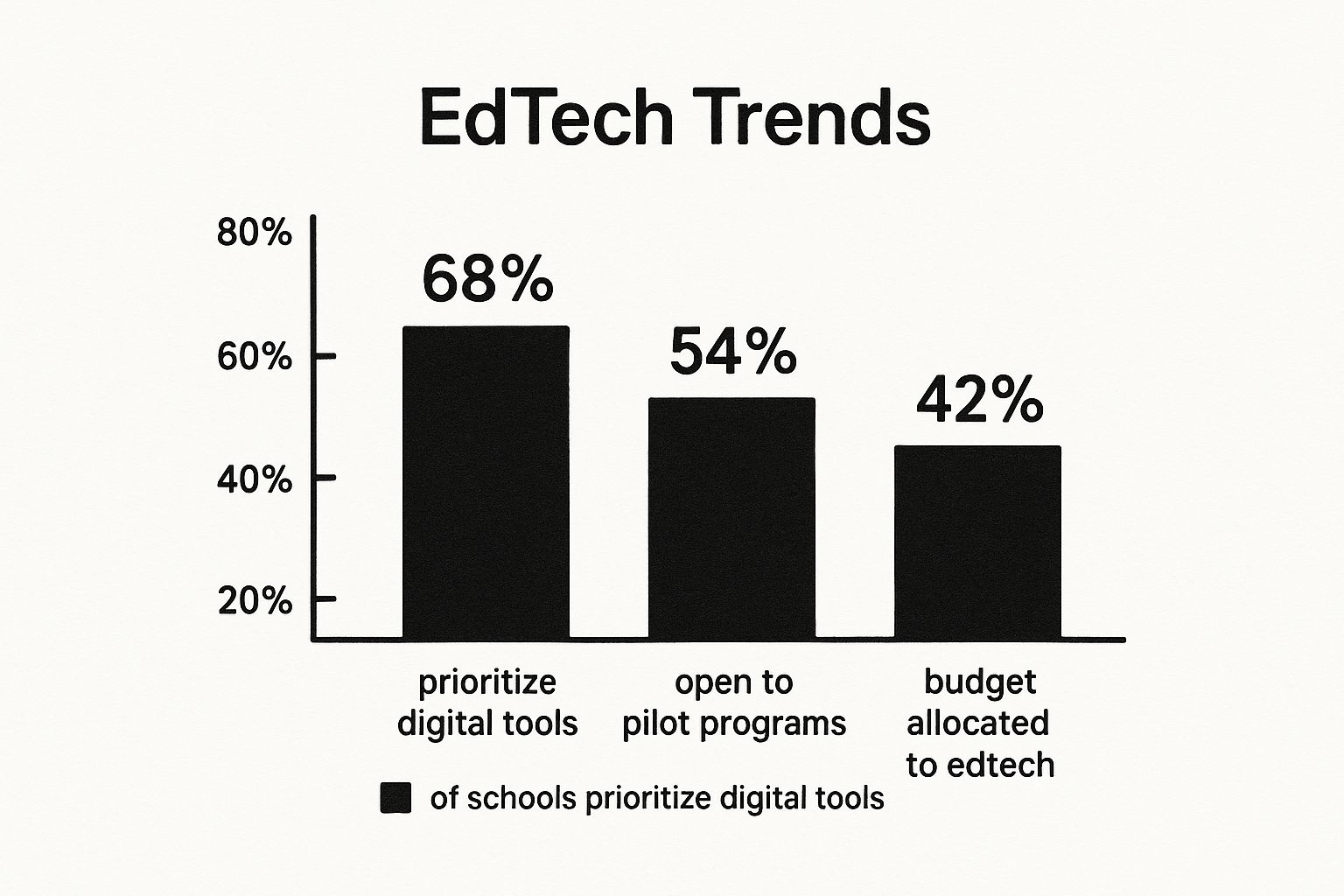
As the infographic illustrates, many schools are prioritizing digital tools and exploring new educational technologies. This openness to innovation, combined with significant edtech budget allocations, presents a substantial opportunity for businesses with relevant solutions. This trend also suggests the effectiveness of digital marketing strategies in reaching school decision-makers. With the global education market projected to reach nearly $10 trillion by 2030, and with a focus on Early Childhood and Workforce Education, effective targeting within these expanding sectors is essential. More detailed statistics can be found here.
To further understand the market segments, let's look at a breakdown:
Global Education Market Segments
A breakdown of major education market segments and their characteristics
| Segment | Market Share | Growth Rate | Key Decision Makers | Funding Sources |
|---|---|---|---|---|
| K-12 | 45% | 3% | School boards, district administrators, principals | Government funding, local taxes, private donations |
| Higher Education | 30% | 5% | University boards, department heads, faculty | Government funding, tuition fees, research grants, endowments |
| Early Childhood | 15% | 7% | Parents, caregivers, preschool directors | Government subsidies, private tuition |
| Workforce Education | 10% | 9% | Businesses, individuals, training providers | Government grants, corporate training budgets, individual payments |
(Note: Market share and growth rate figures are illustrative examples for the purpose of this table and may not reflect precise real-world data. Always consult up-to-date market research for accurate figures.)
This table highlights the varying decision-makers and funding sources across education segments, underscoring the need for tailored marketing strategies.
Funding And Spending Patterns
Understanding school funding and resource allocation is crucial for successful marketing. While governments provide 60-70% of education funding, other sources include private donations, grants, and tuition fees. This means aligning marketing strategies with government policies and funding priorities. For example, if a government emphasizes STEM education, businesses offering STEM-related products and services have a higher likelihood of success. Recognizing regional variations in spending is also important for tailoring marketing efforts.
Identifying Key Decision Makers
Marketing efforts should target the individuals influencing purchasing decisions. In schools, these decision-makers vary depending on the segment and the product or service offered. Identifying these key players and understanding their needs is crucial. This could involve building relationships with school administrators, curriculum specialists, technology coordinators, or parent-teacher associations. Targeted messaging maximizes success in the competitive education market.
Connecting With the Real Decision-Makers in Schools

Successfully marketing to schools requires a deep understanding of the various individuals involved in making purchasing decisions. It's a complex process, far more nuanced than simply following a traditional organizational chart. This section explores how to identify and cultivate relationships with these key decision-makers.
Identifying Key Influencers
The process for making decisions differs greatly depending on a number of factors. Public and private institutions, for instance, operate with distinct constraints and priorities. Similarly, the dynamics of decision-making within K-12 are fundamentally different from those in higher education.
K-12: These decisions often involve school boards, superintendents, principals, and, increasingly, individual teachers. Parent-teacher associations (PTAs) can also hold substantial sway.
Higher Education: Decisions at this level may involve department heads, deans, faculty members, and even student bodies, varying based on the specific product or service being considered.
Understanding the Buying Cycle
The buying cycle in the education sector is frequently linked to the academic year and corresponding budget cycles. This means that strategic timing of your marketing campaigns is paramount. Standard business cycles don't always apply in this context. For example, many purchasing decisions are made months in advance of actual implementation. This is a critical factor to keep in mind when developing a successful marketing strategy.
Budget Cycles: Knowing when budgets are planned and approved is essential. Missing these key windows can delay a potential sale by a full year.
Funding Sources: Schools receive funding from a variety of sources, including federal, state, and local governments, as well as grants. Understanding the source of funding can significantly inform your messaging and how you present the value of your product or service.
Building Authentic Relationships
Developing genuine relationships with decision-makers is crucial for sustained success in marketing to schools. This involves understanding their specific needs, challenges, and priorities.
Value-Driven Communication: Center your communication on how your product or service directly addresses the challenges faced in education and demonstrably improves student outcomes.
Targeted Outreach: Adapt your messaging so it resonates with the particular stakeholder you are contacting. A message for a superintendent, for example, will be different from one intended for a teacher. The MarCom Society provides valuable resources on effectively connecting with these diverse stakeholders. Learn more about branding in education.
Long-Term Engagement: Nurture relationships over time through consistent communication and offering valuable, relevant content. This builds trust and positions your brand as a collaborative partner, not simply a vendor.
By understanding the complexities of the decision-making process, aligning your marketing strategy with school budget cycles, and building strong, authentic relationships, you can effectively position your product or service within the education market. This strategic approach is key to long-term success.
Creating Value Propositions That Resonate With Educators
Marketing to schools requires a deep understanding of what educators need and what they prioritize. They aren't persuaded by generic marketing; they're looking for solutions to the real challenges they face every day. This means strategically shifting from simply promoting features to demonstrating tangible value and impact.
Understanding Educator Needs
The first step in crafting resonant value propositions is understanding the specific challenges faced by different educational stakeholders. Administrators, for example, are often focused on budget constraints and improving operational efficiency. Teachers, on the other hand, prioritize enhancing classroom instruction and student engagement. Understanding these diverse needs is crucial for tailoring your message effectively. This means going beyond general statements and zeroing in on specific pain points.
Translating Features Into Benefits
Educators don't buy features; they buy the benefits those features provide. For example, instead of highlighting the "advanced reporting capabilities" of your software, emphasize how it can "save teachers 10 hours per week on grading and administrative tasks." This shift in focus highlights the tangible impact on educators' workloads, making your offering much more appealing. It allows them to clearly visualize how your product or service directly contributes to their goals.
Demonstrating Impact On Learning Outcomes
One of the most compelling value propositions you can offer schools is evidence of a positive impact on student learning outcomes. This might involve sharing case studies of schools that have seen improved test scores, increased student engagement, or enhanced graduation rates after implementing your product or service. Data-driven results are powerful tools for convincing educators of your value. This means focusing on measurable improvements is key.
Aligning With Curriculum Standards
Demonstrating how your offering aligns with existing curriculum standards and instructional goals strengthens your value proposition. This shows educators that your product or service isn't just an extra tool, but an integrated solution that supports their core educational objectives. This alignment builds trust and credibility, making your offering more likely to be adopted. You might be interested in: How to master branding in education.
Segmenting Your Approach
The global education market is segmented into sectors like K-12 and Post-Secondary Education and continues to evolve, so marketing strategies must adapt as well. K-12 and Post-Secondary, for example, hold a combined market share of approximately 80%. Understanding these nuances is vital for effective marketing. Find more detailed statistics here. Growth areas like Early Childhood Education and Workforce Training require tailored messaging. This messaging should address their unique drivers, whether government initiatives or the growing need for upskilling. Recognizing these distinct needs and adapting your communication accordingly is essential for success in the competitive education market. This targeted approach enables personalized messaging and demonstrates a deeper understanding of the challenges faced by each segment.
Digital Channels That Actually Reach Educators

Connecting with educators online requires a nuanced understanding of their digital habits. It's not enough to simply utilize generic marketing platforms. This section explores the specific digital channels that effectively engage educational decision-makers.
Specialized Education Platforms
Certain online platforms cater specifically to the education community. These can provide significantly higher return on investment (ROI) than broader channels. Platforms like EdWeb and Edutopia offer webinars, online communities, and specialized content.
This focused approach connects marketers with a highly engaged audience actively seeking professional development. Consider also online communities and forums geared towards specific subjects or educational roles. These niche communities offer valuable connections and insights.
Educator Social Media Behavior
Educators use social media differently than the general public. While they might utilize platforms like Facebook or Twitter, their focus is often on professional development and networking.
Content related to pedagogy, classroom resources, and educational trends resonates most effectively. Sharing insightful articles or hosting discussions on best practices can position your brand as a valuable resource. This builds credibility and trust. Learn more about these strategies here.
Content Formats That Drive Action
Certain content formats resonate more deeply with educators. Webinars offer in-depth information and interaction, making them strong tools for lead generation. Downloadable resources, such as white papers and case studies, offer tangible value and encourage further engagement.
Leveraging Thought Leadership
Successful marketing campaigns often leverage thought leadership. Brands that cultivate authentic connections through targeted, valuable content have a higher chance of influencing educators.
Offering valuable insights through blog posts, articles, or research reports positions your brand as an expert. Sharing data-driven analysis or presenting innovative solutions demonstrates a genuine understanding of the challenges facing schools.
Measuring Channel Effectiveness in Education
Measuring marketing effectiveness in education requires a unique approach. The educational customer journey often involves longer sales cycles and multiple stakeholders. Focusing on metrics like engagement within educational communities, resource downloads, and webinar attendance provides more meaningful insights than simple website clicks.
Gathering direct feedback through surveys or focus groups offers valuable qualitative data. Adapting measurement strategies to this environment is crucial. The higher education market is expected to become increasingly competitive, demanding data-driven and personalized strategies. Staying ahead of these trends, including the evolving role of AI, is crucial for future success. Explore these trends further here.
Digital Marketing Channel Effectiveness for Educational Institutions
The following table summarizes the effectiveness of various digital marketing channels in reaching educational decision-makers.
| Marketing Channel | Engagement Rate | Lead Generation Potential | Cost-Effectiveness | Best For |
|---|---|---|---|---|
| Specialized Education Platforms | High | Medium | High | Reaching engaged educators seeking resources and professional development |
| Educator-Focused Social Media Groups | Medium | Medium | Medium | Building community and sharing thought leadership |
| Webinars | High | High | Medium | In-depth content delivery and lead generation |
| Targeted Content (White Papers, Case Studies) | Medium | High | High | Building credibility and demonstrating expertise |
| Email Marketing (to Opt-in Lists) | Medium | Medium | High | Nurturing leads and sharing updates |
(Note: These metrics are representative and can vary based on specific implementation strategies and the offered product/service.)
By focusing on the right digital channels, understanding educator behavior, and providing valuable content, your marketing efforts will be significantly more effective. This builds long-term relationships and achieves meaningful results within the education market.
Building Educational Trust Through Content That Matters
Educators are constantly inundated with marketing materials. So how can your content cut through the noise and truly connect with school stakeholders? The answer lies in building trust by offering valuable resources that directly address their needs. This means moving away from a sales-centric approach and towards establishing your brand as a reliable partner in education.
Creating Content That Educators Value
Effective education marketing hinges on providing resources that educators will actually use and share. This requires a deep understanding of their daily challenges and priorities. For instance, research-backed white papers offering insights into successful teaching strategies can be incredibly helpful. Practical, classroom-ready implementation guides also provide immediate support that teachers can put into practice.
Consider the various roles within a school and tailor your content accordingly. Administrators, for example, often value resources focused on boosting operational efficiency and budget management, while teachers seek materials directly applicable to classroom instruction. When choosing digital channels to communicate with educators, consider the importance of using visual communication techniques.
Here are a few examples of valuable content formats:
- Case studies: Present real-world examples of how your product or service has benefited other schools.
- Webinars: Host in-depth discussions on relevant educational topics, featuring expert perspectives.
- Blog posts: Share actionable tips, best practices, and thought leadership relevant to educators' needs.
- Downloadable resources: Offer templates, checklists, and guides that educators can easily utilize.
Positioning Your Brand as a Partner
Building trust requires going beyond simply promoting your product or service. Position your brand as a collaborative force invested in educational achievement. This could involve active participation in educational communities, sponsoring related events, or partnering with schools on pilot programs.
Show your dedication to education by providing resources that tackle broader educational challenges, even if they aren't directly linked to your product. This might include sharing research on effective teaching methodologies, providing professional development opportunities, or contributing to discussions around educational policy.
Content Distribution Strategies Within Educational Communities
Effective content distribution is just as crucial as content creation. Understanding where educators find their information is essential. This could mean collaborating with influential education bloggers, participating in relevant online forums, or leveraging social media platforms popular among educators.
Direct outreach to schools, personalized email campaigns, and targeted advertising on education-focused platforms can also be effective strategies. Consider providing exclusive content to members of educational organizations or professional associations to boost visibility and reach.
Realistic Resource Allocation and Timelines
Developing high-quality content requires both time and resources. Be practical about what you can accomplish, especially if you're a smaller organization. Begin with a manageable content calendar, concentrating on a few key formats and distribution channels.
As you gain experience and identify what resonates with your audience, you can gradually expand your efforts. This could entail hiring dedicated content creators, investing in new distribution platforms, or forming partnerships with other organizations to broaden your reach. Consistent, high-quality content cultivates trust and credibility over time, paving the way for long-term success in marketing to schools.
Mastering School Budgets and Purchasing Cycles

Successfully marketing to schools requires a keen understanding of their budget and purchasing processes. Unlike traditional businesses, schools operate within specific financial frameworks and timelines. This section explores how these processes function and offers strategies for tailoring your marketing approach.
Decoding School Funding
School funding is complex, often drawing from a combination of federal, state, and local sources, along with grants. Each funding source comes with its own set of regulations and requirements, influencing how schools allocate resources. For instance, federal grants might be designated for particular programs, restricting their use elsewhere.
Understanding these limitations is crucial for crafting effective marketing messages. Highlighting how your product aligns with permissible expenditures is key. Furthermore, the percentage of funding from each source can differ significantly between districts and even individual schools, impacting their financial flexibility.
Navigating the Budget Cycle
School budget cycles typically follow the academic year. However, the planning and approval stages often begin months in advance. Therefore, understanding the critical timing of these cycles is essential for effective marketing. Missing key deadlines could delay a potential sale for a full year.
For example, if budget proposals are due in January, your marketing efforts should ideally reach decision-makers the preceding fall. This lead time allows ample opportunity for consideration and inclusion of your product in budget requests.
Understanding Purchase Requisition Processes
Schools often have strict documentation requirements before any purchase can be made. These might involve detailed purchase requisitions, competitive bids, and approvals from multiple stakeholders. Knowing these procedures helps you provide the necessary materials and guide schools through their internal processes.
This support can include providing templates for purchase orders or offering product demonstrations to key stakeholders. Simplifying these processes fosters trust and positions your company as a valuable partner.
Aligning Your Marketing with Funding Categories
Presenting your offering in a way that aligns with established funding categories increases your chances of success. By understanding how schools categorize their spending, you can frame your product or service as fitting within pre-allocated budgets.
This strategic approach simplifies the justification process for schools and lessens the perceived financial burden. For example, if a school has a dedicated budget for technology integration, highlighting the technological advantages of your product can make it more appealing. Check out our guide on how to master school marketing.
Pricing Strategies and ROI
Demonstrating a strong return on investment (ROI) is vital when marketing to budget-conscious institutions. This involves showcasing the tangible benefits of your product or service, such as improved student performance or increased operational efficiency.
Merely stating a price is insufficient; you must demonstrate how that investment translates into value for the school. This could involve providing data on higher test scores, reduced administrative workload, or enhanced student engagement.
Furthermore, offering flexible pricing models suited to the education sector is beneficial. This might include tiered pricing based on school size or subscription models that distribute costs over time. This adaptability can make your offering more accessible and appealing, particularly for schools with tight budgets. By understanding these key aspects of school finances – aligning your messaging with funding priorities, navigating budget cycles, and demonstrating a compelling ROI – you can effectively position your product or service for success in the education market.
Measuring What Matters in Education Marketing
Measuring the success of your marketing efforts is crucial, especially when targeting the nuanced education market. Simply tracking vanity metrics such as website visits or social media likes doesn't provide a complete picture. This section delves into the key performance indicators (KPIs) and measurement strategies that truly matter when marketing to schools.
Beyond Vanity Metrics: Focusing on Meaningful Measurement
While general marketing metrics offer some insight, education marketing requires a different approach. The educational customer journey is often much longer than in other sectors, sometimes spanning months or even years. This extended decision-making process requires specific measurement strategies.
Tracking the Long-Term Customer Journey: Instead of looking at immediate conversions, focus on measuring engagement across various touchpoints. This might include tracking resource downloads, webinar attendance, or interactions within online educational communities.
Gathering Meaningful Feedback: Actively seek input from educators and administrators through surveys, focus groups, and direct conversations. This qualitative data provides invaluable insights into their needs, preferences, and decision-making process.
KPIs That Matter in Education Marketing
Identifying the right KPIs is crucial for assessing the effectiveness of your marketing campaigns. These metrics should align with your specific goals and provide actionable insights.
Lead Quality over Quantity: Focus on the quality of leads generated, rather than simply the number. A small number of highly engaged leads are often more valuable than a large volume of less-qualified inquiries.
Engagement with Educational Content: Track downloads of resources like white papers and case studies, as well as participation in webinars and online discussions. These interactions demonstrate genuine interest and create opportunities for nurturing leads.
Influence Within Educational Communities: Monitor your brand's presence and engagement within relevant online communities. This might include tracking mentions, shares, and participation in discussions.
Alignment with School Budgets and Purchasing Cycles: Measure how effectively your marketing aligns with school budget timelines. Track the number of proposals submitted, meetings secured during budget planning periods, and successful conversions within these cycles.
Adapting to Educational Trends and Policy Changes
The education landscape is constantly evolving. Staying informed about emerging trends and policy changes is vital for maintaining marketing effectiveness. This requires adapting your strategies to reflect the changing needs of schools.
For example, a growing emphasis on online learning or STEM education may require adjusting your messaging and content to address these priorities. Monitoring relevant industry publications, attending educational conferences, and engaging directly with educators can keep you informed.
Realistic Growth in the Education Sector
Understanding realistic growth in education marketing is essential for setting achievable goals. The sales cycles are typically long, and building trust with educational institutions requires time. Avoid setting unrealistic expectations based on metrics from other industries.
Benchmarking against similar companies within the education market provides a more realistic view of potential growth. Track your progress over time and be prepared to adjust your strategies based on performance and market shifts.
By focusing on relevant metrics, remaining adaptable, and cultivating strong relationships with educational institutions, you can achieve long-term success in this evolving market.
Are you a K-12 school marketing or communications professional looking to enhance your skills and connect with a vibrant community of like-minded individuals? Join The MarCom Society today to access exclusive resources, expert insights, and collaborative opportunities designed to elevate your school's communication strategies.